Modern Greece
Kore — Our Hopes for Our Children
 Play documentary
 Hover to magnify · click to open
 Detail · tap
 View · tap
 View · tap
 View · tap
 View · tap
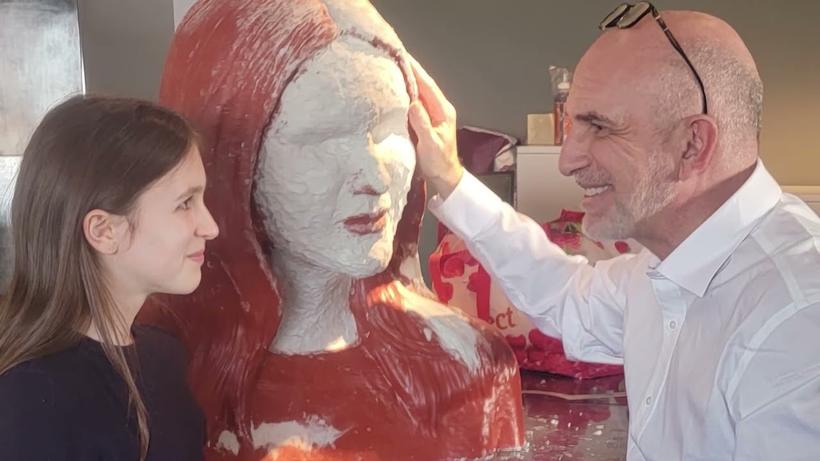
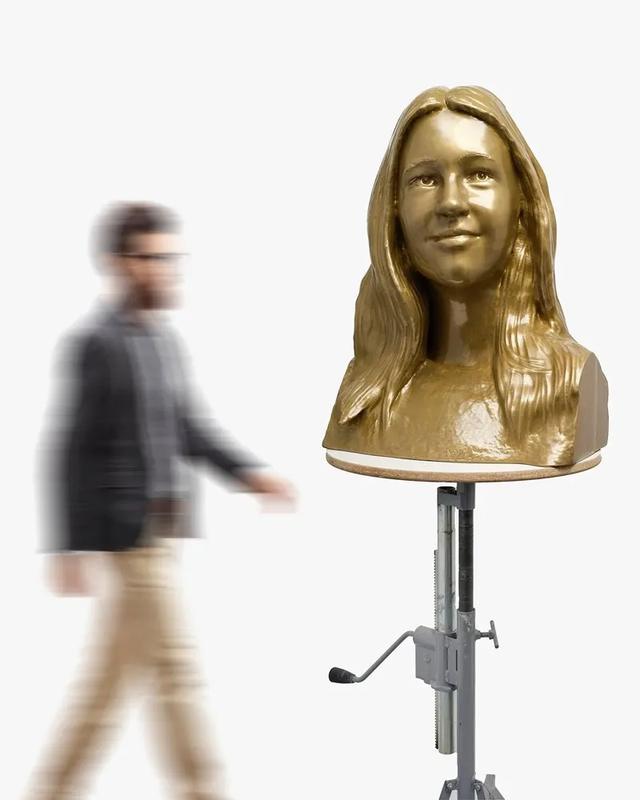
"We have all worked hard to create a different foundation for my daughter, age 12 at the time of posing, to build on—a safer one, emotionally and physically. She knows the broad outline of the family story but is not asked to carry everyone else’s unresolved pain.
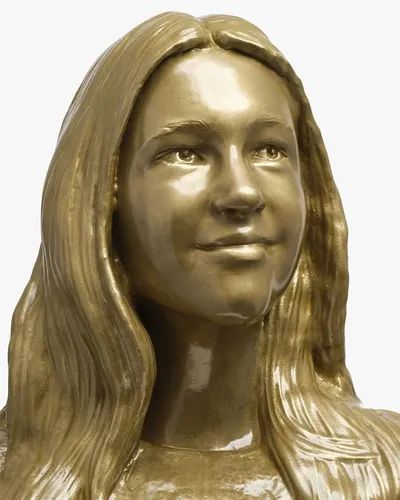
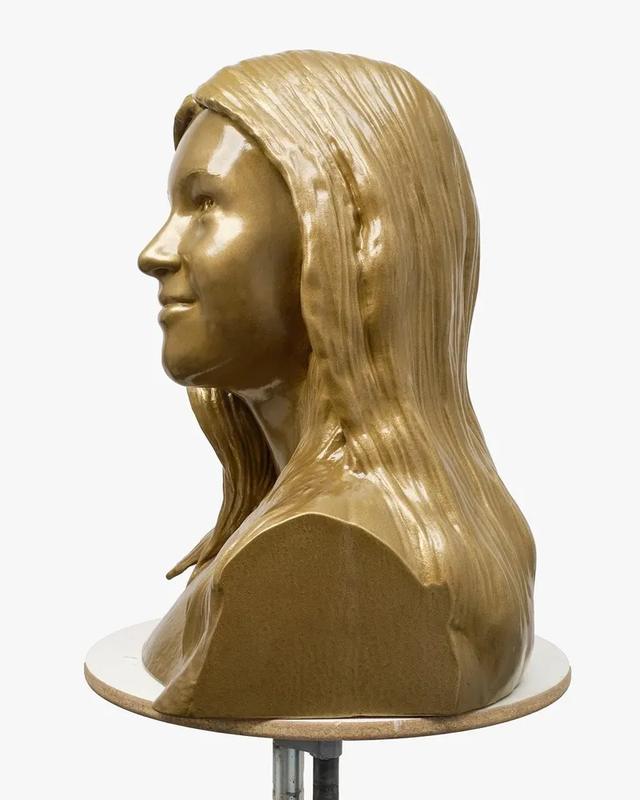
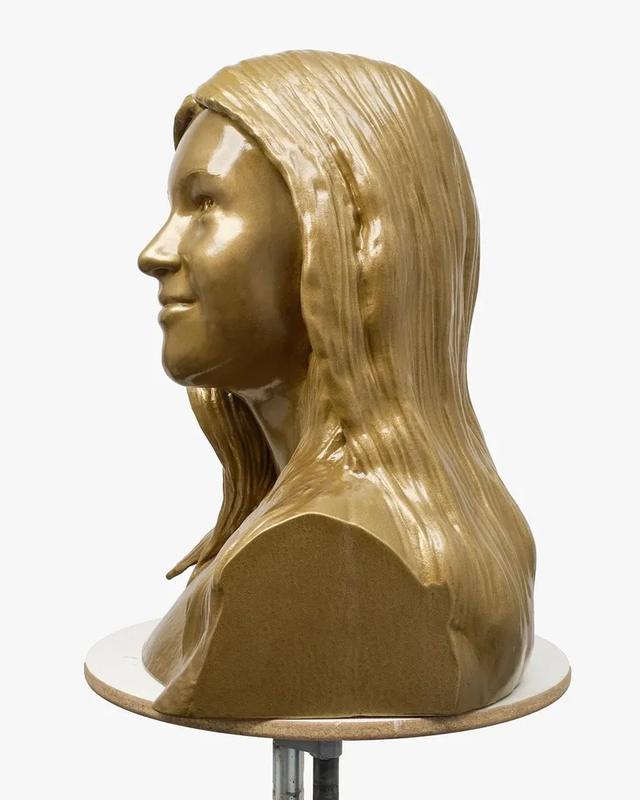
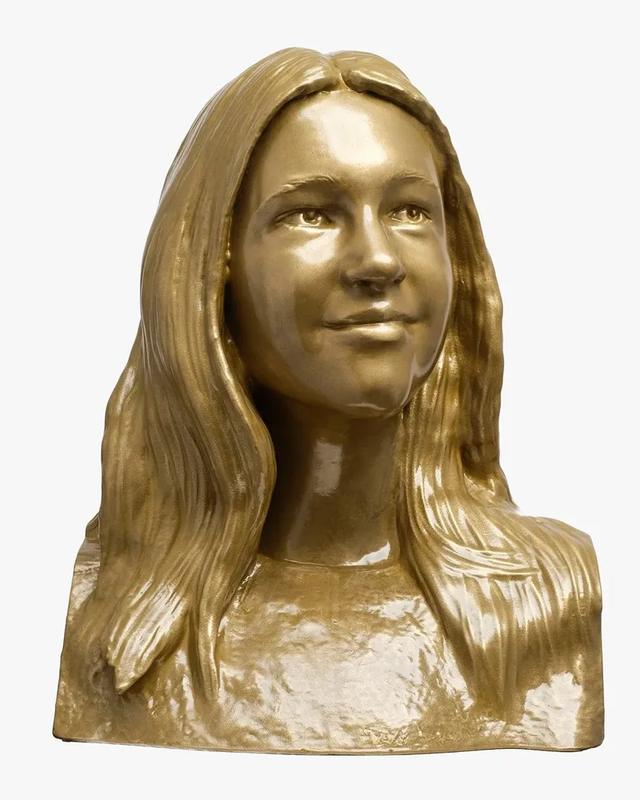
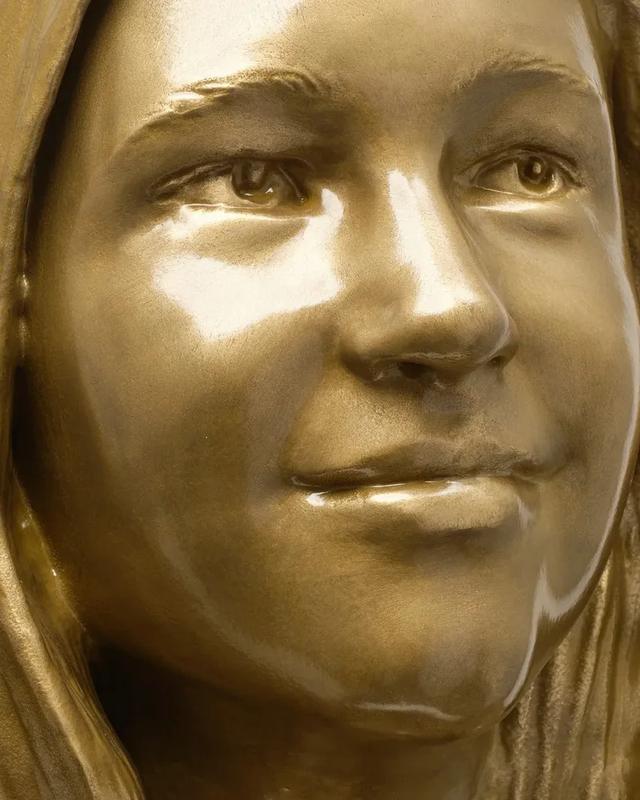
As to the sculpture, it is inspired by an ancient Greek Kore, one of the full-size sculptures of Athenian maidens. My sculpture has a distinctly different emotion and sculptural style than the prior five sculptures. Her expression is, I believe, one of innocence, intelligence, optimism, and a tiny bit of a smirk. Not burdened.
Perhaps the cumulative work by my parents and later by me has succeeded.
As a public sculpture, Kore’s optimism has been welcomed in two important institutions around the world, outside of the exhibition."
Modern Greece · 1950–2025
From the devastation of war and occupation, Greece en tered the second half of the twentieth century focused on reconstruction and re-establishing its place in a chang ing world. Cities and villages bore visible damage, infrastructure was fragile, and many families had been separated or bereaved, yet daily life resumed quickly. In the decades that followed, the country experienced rebuilding and outward migration, dicta torship and the restoration of democracy, integration into Eu ropean institutions, rapid modernization, economic crisis and recovery, and new roles at the intersection of regional and global developments. Across these shifts, Greek society repeatedly showed an ability to adapt, reform institutions, and invest in future generations.
In the 1950s and early 1960s, reconstruction was visible across the country. Roads and railways were repaired or extended, electricity and telephone networks expanded, and ports and airports were upgraded. Urban centres such as Athens and Thessaloniki saw new apartment blocks and public facilities alter skylines and daily routines. In rural areas, agriculture gradually mechanised, and access to schooling and healthcare improved. Poverty and inequality persisted, but key indicators moved upward: literacy increased, life expectancy rose, and a growing share of young people entered secondary and higher education. A generation that had come of age in war now directed its efforts toward stability and new opportunities for its children.
At the same time, many Greeks sought prospects abroad. From the 1950s onward, hundreds of thousands left for West ern Europe, North America, Australia, and other destinations as workers, students, and emigrants. Remittances supported families and local economies, while Greek communities over seas maintained close ties to the homeland. Neighbourhoods, churches, and associations abroad became extensions of village and city life. This outward movement eased pressures on the domestic labour market and created a dispersed but intercon nected population whose experience would shape Greek society in subsequent decades.
Political life in the same period combined reform with ten sion. The 1960s brought expectations of modernization along side intense polarization, culminating in the 1967 seizure of power by a military junta. Civil liberties were suspended, oppo 1950–2025 153152 nents were exiled or imprisoned, and public expression came under close control. Yet civic and cultural life did not disappear. Students, artists, journalists, and other citizens worked, often at personal risk, to preserve memory and independent thought. When the dictatorship collapsed in 1974, the experience of re pression strengthened the commitment to open debate and constitutional procedures and prepared the ground for a more durable democratic order.
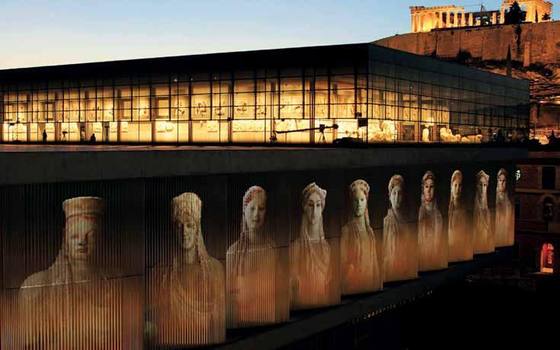
The transition known as Metapolitefsi marked a decisive turning point. A new Constitution reaffirmed political freedoms and the rule of law, parties reorganised, and exiles returned. Parliamentary life stabilised, and peaceful transfers of power be came routine. The state expanded education, healthcare, and social protection, while new social actors—women’s groups, youth movements, professional associations—entered public discussion. Political competition now took place within a firmly democratic framework, and trust in key institutions deepened as courts, universities, and independent media consolidated their roles.
European integration provided a further framework. Asso ciation with the European Communities and full membership in 1981 brought investment in infrastructure, agriculture, and regional development and encouraged legal and administra tive reform. It facilitated mobility for students, researchers, and workers and connected Greek public debate to broader Euro pean discussions. Europe functioned both as a set of practical arrangements—affecting trade, migration, and regulation— and as a reference point for rights and standards. Within this environment, cultural life was notably active. Literature, music, cinema, theatre, and the visual arts addressed both the legacies of the past and the changes of the present, while archaeological research and museum projects deepened knowledge of the ancient and Byzantine past and tourism brought these heritages into sustained contact with visitors from abroad.
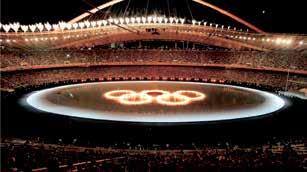
The late 1990s and early 2000s were characterised by ac celerated modernization. Economic growth increased, new en terprises were founded, and urban areas saw improvements in transport, telecommunications, and public amenities. The deci sion to host the 2004 Olympic Games in Athens concentrated these trends. The Games drove the construction and renovation of sports facilities, the expansion of metro and tram lines, major road projects, and upgrades to airport and urban services, while offering a visible platform for contemporary Greek architecture, design, and performance.
The global financial crisis of 2008 and its aftermath posed a severe test. The 2010s brought pronounced economic con traction, high unemployment, and intense debate about debt, reform, and social cohesion. Once again, many young people left for opportunities abroad, reviving long-standing patterns of mobility. At the same time, new forms of initiative appeared: cooperative ventures, social solidarity structures, start-ups, and cultural projects emerged alongside established businesses. Public institutions undertook difficult reforms. By the end of the decade, macroeconomic indicators had improved and a more sustainable fiscal framework was in place, even as the social impact of the crisis continued to be addressed.
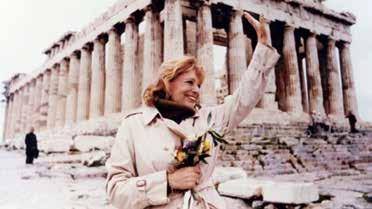
In these same years, Greece was positioned at the forefront of wider regional developments. Conflicts and instability in neighbouring areas brought large numbers of refugees and migrants across the Aegean and into mainland Greece. Local communities, volunteers, non-governmental organisations, and public authorities organised reception and support under often challenging circumstances. The widely circulated images—of island shores, temporary camps, and rescue operations—were underpinned by numerous acts of routine assistance and cooperation that became part of the country’s contemporary self-understanding. The COVID-19 pandemic added another layer of pressure. As elsewhere, authorities and citizens faced the dual task of protecting public health and maintaining social and economic activity. Health professionals and administrators reorganised services, while schools, universities, and workplaces shifted rapidly to remote operation where possible. The period accelerated digitalisation in both public administration and the private sector and reinforced the perceived importance of resilient health systems, clear public communication, and mutual support. In the early twenty-first century, Greece continues to bal ance continuity and change. Traditional pillars of the econo my—tourism, shipping, and agriculture—remain central, while sectors such as information technology, renewable energy, lo gistics, and the creative industries are expanding. Universities and research centres participate in international networks, and members of the diaspora contribute through collaborations, investment, and periodic return. Urban districts and rural areas alike have become sites of experiment, where small enterprises, cultural initiatives, and local associations reshape everyday en vironments.
The challenges ahead include demographic trends, climate change, regional tensions, and the ongoing task of strengthen ing institutions and broadening opportunity. Greece confronts these issues with resources built over decades: democratic practice, European and regional partnerships, dense cultur al capital, and a proven capacity for recovery after crisis. The generation now coming of age inherits memories of hardship alongside concrete examples of resilience, collective organisa tion, and innovation.
From 1950 to 2025, the trajectory of modern Greece can be seen as one of repeated rebuilding and adjustment: after war and occupation, reconstruction; after dictatorship, a consolidated democracy; after economic crisis, institutional reform and renewed initiative. Within this context, Kore in Hellenic Heads stands for the present oriented toward the future: a figure formed by a century of experience yet facing forward, suggesting how the gains and lessons of this period can be carried into the decades to come.
Athens 2004 Opening
Stavros Niarchos Foundation
Sculptural
Precedent
For the final sculpture in this 2,500-year journey, representing Modern Greece (1950-2025) I selected a sculptural precedent I first encountered during childhood visits to the old Acropolis Museum (on the Acropolis itself) with my aunt Emmanuela, an archaeological guide. Decades later, I recon nected with this piece, Kore 684, at the new Acropolis Museum which opened in 2009, including with the intention of receiving the Parthenon Marbles which are being held at the British Mu seum in London, UK.
Kore 684 depicts a maiden, dated to approximately 500 BC. The statue is understood to be a votive offering dedicated to the goddess Athena, originally placed on the Acropolis near the Parthenon. With the Persian invasion of 480 BC, it was buried by the returning Athenians in a ceremonial clearing of the sacred site. This "Perserschutt" (Persian debris) became a time capsule, preserving it and dozens of other sculptures until their rediscovery during excavations in the late 19th century.
This statue is a prime example of the korai (maidens), a hallmark of the Archaic Period (c. 600–480 BC) and the female counterparts to the nude kouroi (youths). Korai are always de picted clothed, displaying formal, upright postures, intricate clothing, and stylized hair. Traces of vibrant polychromy (color) are still visible on this one and many others, proving they were not originally white marble. A defining feature is the "Archaic smile," an artistic convention deemed to signify divine grace and vitality rather than a specific human emotion. Other notable korai are housed in the National Archaeological Museum in Athens and the Louvre.
With this wonderful sculpture as my precedent, I asked my daughter, Sofia, then 12 years old, to pose. My sculpture, Kore, incorporates the enigmatic smile with my daughter's characteristics. It is the only sculpture in the Hellenic Heads series that looks upward. I hope this piece conveys the optimism that a young person may feel for her future, and that a nation and its people may feel for theirs.